Choosing the Right Tires for Your Winter Drive: All-Season vs. Winter vs. Studded
October 22 2025,
When the temperature drops and the first frost hits, most drivers know it’s time to think about tires—but which tires are right for your driving habits?
In Prince Edward Island, winter weather can shift quickly from wet roads to snow drifts and ice patches. Choosing the right tires depends on more than just the season—it’s about how, where, and how far you drive.
Let’s break down the differences between all-season, winter, and studded tires, and why the type of rubber you choose makes all the difference.
All-Season Tires
All-season tires are built to handle a wide range of conditions—rain, light snow, dry pavement—but they’re a compromise. Their tread patterns are designed for versatility, not extreme cold.
• Best for: Urban drivers, short commutes, or areas with mild winters.
• Limitations: When temperatures drop below 7°C, the rubber hardens, reducing grip and braking performance on cold pavement and ice.
• Think of them as: A year-round option that's "good at many things, great at none"
Winter Tires
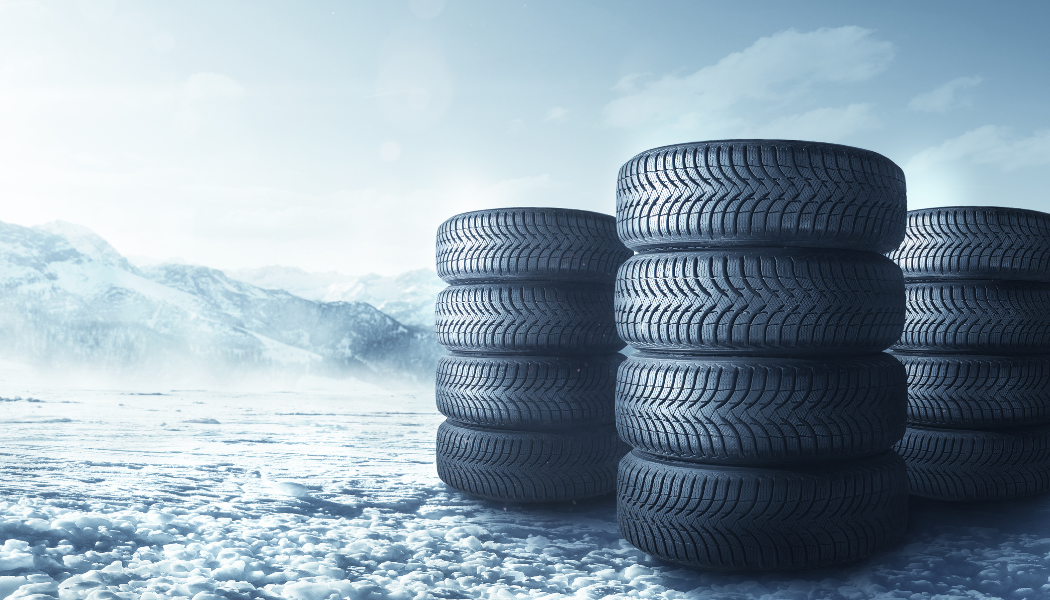
Winter tires are made with a softer, more flexible rubber compound that stays pliable even in freezing temperatures. That flexibility helps the tire grip the road—especially on ice or packed snow.
• Best for: Most PEI drivers, especially those commuting daily or driving on rural or mixed-condition roads.
• Key advantage: Better traction, shorter stopping distances, and improved handling once the temperature consistently drops below 7°C.
• Bonus: They also help your summer or all-season tires last longer since you're not using them year-round.
Studded Winter Tires
Studded tires take winter performance one step further. Tiny metal studs embedded in the tread bite into icy surfaces, providing unmatched traction.
• Best for: Rural or hilly areas where ice buildup is common, or drivers who travel less-maintained roads.
Things to know:
- They can be noisier on dry roads.
- They’re only permitted seasonally (typically October to May in PEI).
- They may slightly reduce fuel efficiency.
- Think of them as: A serious winter tire for serious winter conditions.
The Science Behind Tire Rubber
Not all tire rubber is created equal.
• Summer and all-season tires use a harder rubber compound designed to stay stable and resist wear in warm temperatures.
• Winter tires use a softer, silica-rich compound that remains flexible as the mercury drops—helping maintain grip and performance when you need it most.
When warm-weather tires stiffen up in the cold, they lose their ability to conform to the road surface. That’s why a dedicated set of winter tires performs better not just in snow, but also on dry, cold pavement.
So, Which Tires Are Right for You?
Your driving environment is the deciding factor:
• Urban commuter? You might get by with high-quality all-season tires if you avoid travel during storms.
• Rural or highway driver? Winter tires are the safer and more reliable choice.
• Remote roads or lots of ice? Studded tires can give you the confidence to handle it all.
No matter what you drive—or where—you drive—choosing the right tire is about safety, control, and peace of mind all season long.
Final Tip:
Think of tires as seasonal gear. You wouldn’t wear flip-flops in a snowstorm—your car shouldn’t either.